Cold-Start Season 2026: Reman or New for Starters, Alternators and Batteries?
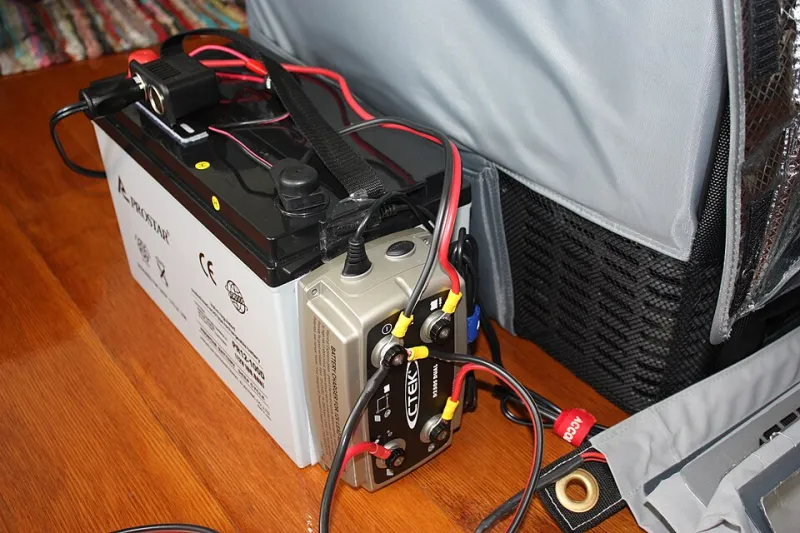
Photo: Stephan Ridgway from Brisbane, Australia, CC BY 2.0, via Wikimedia Commons
Why November exposes tired starting gear
Cold mornings are brutal on a high-mileage car. A battery that coped with summer starts has less usable cranking power when the temperature drops. The starter has to turn a thicker, colder engine, and the alternator has to refill a battery that is working harder. Add lights, heated screens, wipers and a short commute, and a marginal charging system starts to show itself.
By November 2026, plenty of UK cars are well into the mileage where starters, alternators and batteries become service items rather than forever parts. The question is not just 'what fits' but 'what is the smart buy' when you plan to keep the car through winter.
Reman versus new: the honest trade-off
Remanufactured starters and alternators can be excellent value. A proper reman unit is stripped, cleaned, tested and rebuilt with new bearings, brushes, contacts or regulators as needed. The best UK remanufacturers offer a clear warranty and a core-exchange scheme. The risk is the wild west end of the market: a unit that has been cleaned and painted but not properly rebuilt, or a listing that hides a mismatched pulley or connector.
New is simpler if the price is sensible. A quality new starter or alternator removes the core-charge dance and usually comes with a straightforward warranty. But cheap new pattern parts can be a false economy, especially on cars with smart charging or stop-start systems. Batteries are different: there is no sensible remanufactured battery for normal road use. Buy new, with the correct technology and capacity.
Decision matrix by mileage and use case
| Mileage and use | Starter and alternator | Battery |
|---|---|---|
| Under 80,000 miles, daily commuter, keeping the car two years | Quality reman with 24-month warranty is fine if the part number matches exactly | New AGM or EFB if stop-start is fitted; standard lead-acid only if specified |
| 80,000 to 150,000 miles, mixed use, winter daily | Premium reman or reputable new; check core terms and labour warranty | New battery, correct size and chemistry; BMS reset where required |
| Over 150,000 miles, taxi, van or delivery use | New or top-tier reman with long warranty; downtime matters more than saving £30 | New AGM/EFB with correct CCA and capacity; test charging system at the same time |
| Weekend car, project or low annual mileage | Reman is often acceptable if you can wait for core refund | New battery, kept on a smart charger if the car sits |
The pattern is simple: the harder the car works, the less you want to gamble on a vague reman listing. If the car is a keeper, buy the best warranty you can get and make sure the core terms are in writing.
Fitment traps that bite in winter
Pulley size and type are classic reman traps. Alternators can have different pulley diameters and overrunning-clutch pulleys versus solid pulleys. A unit that looks right on the bench can throw the belt or fail to charge properly if the pulley is wrong. Starter solenoid connectors, mounting bolt holes and nose lengths also vary. Use the VIN and the original part number, not just the model name.
Alternator amperage matters on modern cars. A 120A unit may physically fit where a 150A unit was specified, but the charging strategy and electrical load may not be happy. Battery fitment is more than physical size: terminal layout, hold-down type, venting, capacity and cold-cranking amps all need to match. AGM and EFB batteries are not interchangeable with ordinary lead-acid on start-stop cars.
BMS coding is the one people skip. Many modern cars need a battery monitor reset or registration when a new battery is fitted, so the charging system knows the battery is fresh. Without it, the car may overcharge, undercharge or disable stop-start. Some listings mention coding; many do not. Ask before you buy.
Core charges and warranty small print
A core charge is a deposit on the old unit. You get it back when you return the old starter or alternator within the seller's window, usually in a condition they accept. Vague core charges are a red flag: is the charge included in the price or added at checkout? Who pays return postage? How long do you have? Does the old unit need to be the same part number?
Read the warranty for labour reimbursement. Many reman warranties cover the part only, not the garage time to fit it. If a starter fails in January, a replacement unit is little comfort if you are paying twice for labour. Also look for missing coding instructions on battery listings and mismatched pulley photos on alternator listings. A seller who cannot tell you the pulley diameter or connector type is not ready for your money.
Pre-purchase checklist
Get the original part number from the VIN or the label on the old unit. Photograph the old starter or alternator from a few angles, including the pulley, connector and mounting points. For batteries, photograph the current battery label and note the physical size, terminal layout and chemistry. Confirm the core charge, return window and who pays postage. Ask for coding instructions in writing if the car needs a BMS reset. Check the warranty length and whether labour is covered.
Before spending, test the basics. A battery test with a proper tester will show cranking health, not just voltage. Check alternator output and inspect the belt and earth straps. Clean battery terminals and check for corrosion. Sometimes a tired earth or a loose belt mimics a failing alternator. Do the cheap checks first.
The bottom line
For UK winter motoring in 2026, buy the starting and charging gear that matches your mileage and risk tolerance. A good reman starter or alternator can be a smart buy with a clear warranty and core terms. A battery should be new, correctly specified and coded where needed. If the listing is vague about pulleys, core charges or coding, walk away.