Aim True, Buy Once: The UK Headlamp Unit Checks That Beat an MOT Retest
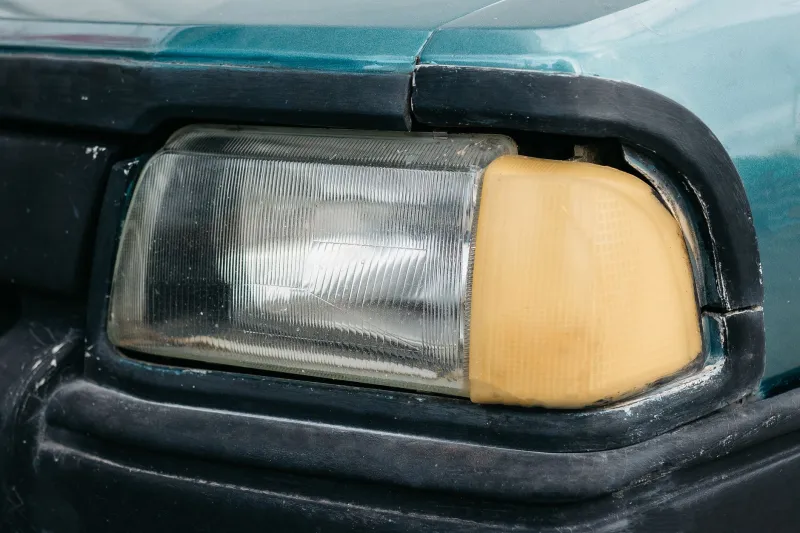
A headlamp is one of those parts that looks simple from the outside: a plastic shell, a lens, a bulb hole and a plug. Then you fit a cheap used unit, stand back, and realise the beam is kicking up to the wrong side, the levelling motor has the wrong plug, or the lens has more mist than a November windscreen. The MOT tester does not care that it was a bargain. They care where the light lands.
This is the buying check I wish more UK drivers did before handing over cash. Not a full optical laboratory — just the practical matches that separate a headlamp unit that works from one that causes a retest, a dazzled oncoming driver and a second strip-down.
Match the beam to the road, not just the hole in the bumper
The biggest trap is traffic side. UK cars are right-hand drive and drive on the left, so the dip beam pattern should kick up towards the nearside — the left — and stay flatter toward the centre of the road. A left-hand-drive headlamp from a European breaker may look identical, fit the same mounting points and still throw the kick-up to the right. That is exactly the wrong shape for UK roads. It can dazzle oncoming traffic and fail the MOT beam check.
Do not rely on ‘it came off a UK car’ in an advert. Ask for a photo of the back of the lamp and the markings on the lens. Look for an E-mark and, where present, RHD or traffic-side markings. E-marking alone is not a guarantee of UK suitability; it shows type approval, not that the beam is set for our side of the road. If the seller cannot show the marking or a clear beam image, treat it as a gamble.
Reflector, projector and bulb base are a package
A headlamp that physically fits is not necessarily compatible with the bulb and electronics behind it. Reflector halogen, projector halogen, projector xenon and LED units are different optical systems. Swapping a projector unit into a reflector car — or the other way round — can leave you with a beam pattern that never aims correctly, even if the plugs connect.
Check the bulb base and the intended light source. A H7 halogen projector is not the same as a D2S xenon projector, and a halogen reflector is not a legal home for a random aftermarket LED bulb. If the car left the factory with halogens, buy a halogen unit designed for that car. If it had xenon or LED, do not downgrade to a halogen lamp and hope the MOT station does not notice. They will.
The back of the lamp tells the real story
Before buying, ask for photos of the rear of the unit. You want to see the connector shape, pin count and keyway. Two lamps can share the same outer shape and still have different plugs for the levelling motor, indicator, DRL or ballast. Do not plan to ‘make it fit’ with a pigtail on a road car unless you really know the wiring and the insurance implications.
On used units, check for these specific faults:
- Broken mounting tabs. A cracked top tab can turn a cheap lamp into a rattly, misaligned one. Plastic repair clips exist, but a missing lug is a negotiation point, not a minor cosmetic issue.
- Cracked or seized adjusters. The aim screws should turn. If they are rounded off or seized, the unit may be impossible to aim properly.
- Ballast and igniter condition. Xenon units need the correct ballast. Water ingress, corroded pins or a mismatched ballast can give you a flicker, a no-start or an MOT fail. High-voltage systems are not the place for guesswork.
- Levelling motor type. Manual switch, automatic levelling or no motor at all — match what the car actually has. A unit with the wrong motor connector can leave the beam pointing at the hedge.
- Trim and facelift differences. Sport, GT, pre-facelift and facelift models often share a silhouette but not a lamp. Check the part number against the VIN or registration, not just the model name.
Driveway checks before you commit
If you are buying in person, use your hands and eyes. Look through the lens at an angle: heavy condensation, water droplets or a tide mark suggests a seal problem. A light mist that clears is one thing; droplets that stay are another. Check the lens for deep scratches and crazing, especially on the driver’s side where road grit does its worst.
Turn the adjusters if you can. A quarter turn should feel positive, not gritty or free-spinning. Inspect the connector pins for green corrosion. On a used xenon or LED unit, ask whether it has been tested on the car; ‘pulled from a runner’ is not the same as ‘tested and working’.
Finally, think in pairs. Headlamps age, lenses yellow and bulbs change colour temperature. Fitting one bright new unit against a tired original can leave you with mismatched light on the road and an odd look at the front. If you are replacing one side, at least check the colour and condition of the other. For halogen bulbs, replace both if they are the same age — it saves a repeat job and keeps the beam colour consistent.
The MOT mindset
The annual test is not looking for a showroom-fresh lamp. It is looking for a secure unit, a visible light, the correct colour and a beam that aims where it should. A cheap headlamp that physically fits but cannot be aimed, throws the wrong pattern or fills with water is not cheap by the time you have paid for a retest and a second unit.
Buy for the road you actually drive on. Match the beam, the bulb system, the connectors and the mounting points. Then fit once, aim properly and keep the receipt.