The Axle Symmetry Test: Sorting Real Two-Sided Repairs From Garage Upsell
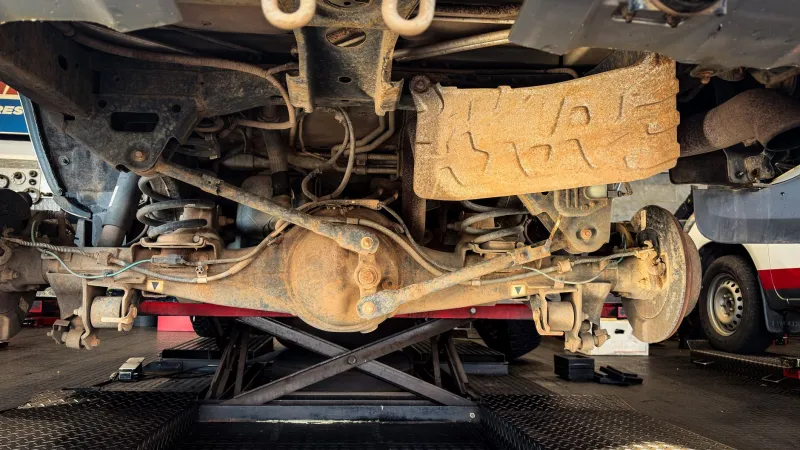
Walk into a UK garage with one worn drop link and there is a fair chance you will leave with a quote for both sides, a brake fluid change and a lecture about potholes. Sometimes that is exactly right. Sometimes it is a lazy way to pad the invoice. The difference usually comes down to one idea: axle symmetry.
A car does not know you replaced only the left brake disc. It knows whether braking force is balanced across the axle. It does not care that the right rear shock absorber was fine last month; it cares how the body behaves when that corner loads up. But a lambda sensor on one bank has no idea what the other bank is doing, and a single parking sensor is not part of a matched set. Pair advice is real, but it is not universal.
Here is a practical way to judge the two-sided quote before you agree to it in 2026.
Start with the axle, not the invoice
Ask the garage a simple question: which axle are we talking about, and what is the measured problem on each side? A genuine pair recommendation should come with numbers or visible evidence. That might be disc thickness in millimetres, pad lining depth, tyre tread across the axle, damper leak evidence, or a brake imbalance reading from the MOT bay. If the answer is just that the other side looks old, you are allowed to ask for more.
The strongest pair cases are the ones where left and right share a job. Brakes, suspension, tyres and some steering parts fall into that group. Sensors, ignition coils, injectors and lighting bulbs usually do not, even if a garage prefers to sell them that way.
Brakes: pads and discs are normally an axle job
Brake pads and discs should generally be replaced as an axle set. If one disc is worn close to its minimum thickness, the other side is usually not far behind, and fitting one new disc against one worn disc can leave uneven braking and a pulling sensation. Pads are the same: one side often wears faster because of a sticking caliper, but replacing only that side can create a mismatch in friction material.
Calipers are more nuanced. If one caliper is seized or leaking, it may be perfectly sensible to repair or replace that one, provided the other side is checked, cleaned and working correctly. Some garages will recommend both calipers on age and corrosion grounds. That can be good advice on a salted-road car, but it is not an automatic safety law. Ask for the condition of the opposite caliper, not just its birthday.
Suspension and steering: symmetry matters
Dampers, springs and top mounts are usually best replaced in axle pairs. A new damper on one side and a tired one on the other can change how the car settles over bumps and how it behaves under braking. Springs are similar, especially where ride height and spring rate affect the axle. If one spring has snapped, the opposite spring may still be serviceable, but many UK specialists will recommend a pair on safety and handling grounds.
Wishbones, ball joints and track rod ends are less clear-cut. A worn ball joint on one side does not automatically condemn the other, but it does justify a proper inspection. If you replace suspension or steering parts, budget for wheel alignment. A two-sided suspension job without an alignment check is like fitting new boots and not lacing them.
Tyres: same axle is the rule, not always four
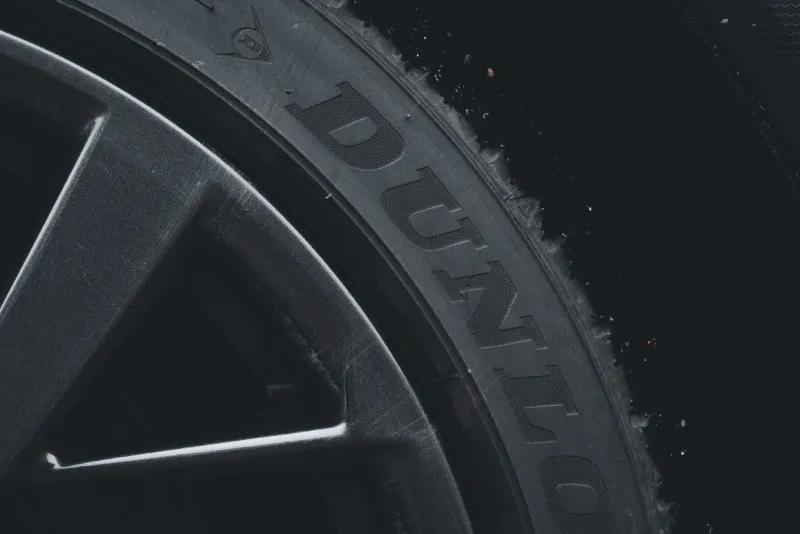
Tyres are the easiest place to spot a genuine pair recommendation. If one tyre is damaged beyond repair and the other on the same axle is worn, replacing both is usually the sensible call. The new tyre will have full tread and the old one will not, which can affect grip balance, aquaplaning behaviour and, on some cars, differential wheel-speed readings. UK tyre law requires at least 1.6mm tread across the central three-quarters of the tread and around the circumference, but legal is not the same as balanced.
If both tyres on the axle are healthy and one is punctured, a single replacement can be fine as long as it matches the size, load index, speed rating and construction, and the tread difference is small. Best practice is to keep the better pair on the rear. A garage that insists on four tyres when you have one damaged tyre needs to explain why the other axle is also due.
Sensors and electronics: usually single, sometimes matched
Oxygen sensors, ABS wheel-speed sensors, TPMS sensors and parking sensors are generally replaceable individually. They are not brake pads. An ABS sensor on the front left has no matched partner on the front right in the way a disc does. The exception is where a system needs coding, pairing or calibration after fitting. TPMS sensors may need the correct frequency and programming; some cars need a relearn procedure. That is a technical requirement, not a reason to replace every sensor on the car.
Be wary of the parts-cannon approach: replacing a sensor because a code points in its direction, then replacing another because the light is still on. Live data and a proper diagnosis are cheaper than a box of guesses.
Lighting: matching colour is nice, safety case is weaker
Headlight bulbs are often sold in pairs because colour temperature and output can differ between brands and ages. That is a cosmetic and practical point, not usually a safety-critical pairing rule. If one dipped beam bulb fails, replacing both can make sense on a car where access is awkward or the bulbs are cheap. It is not the same as a brake disc.
Headlamp assemblies are different. If one unit is damaged or has a badly deteriorated reflector, a used matching unit may be the best route. Check beam pattern and UK right-hand-drive specification before buying, especially on imported or modified cars.
MOT and warranty wording
The MOT does not say replace both sides of everything. It checks condition and performance. A brake imbalance or a defective component can fail, and worn suspension can attract an advisory or a fail if it is bad enough. A tester is not required to demand a matching pair just because one side is new.
Warranty wording is worth reading before you agree to a two-sided job. Some parts warranties may be affected by fitting one side only, but that should be in the terms, not invented at the counter. Ask to see the clause. If a garage says the manufacturer insists on pairs, get the part number and check the fitting instructions.
The counter checklist
Before you approve a pair, ask for the measured wear on both sides. Confirm which axle is affected. Ask whether the job needs alignment, coding or a brake fluid change. Compare the cost of the second side against the labour you would save by doing it now. Keep the old parts if you want to inspect them. And if the only argument is that the car is getting old, that is a conversation about budget, not a safety rule.
Pairs are not a scam and they are not a blanket rule. They are a symmetry decision. When left and right share the work, matching them usually makes sense. When they do not, a good garage should be able to explain the difference.