The First Ten Seconds Tell the Story: A UK Diesel Cold-Start Check Before Glow Plugs Go on the Bill
There is a particular sound a UK diesel makes on the first properly cold morning of the year. It cranks a beat longer than you expect, catches with a shiver, and then idles like it has forgotten how. Within ten minutes, someone on a forum has told the owner to buy a full set of glow plugs. Sometimes that is right. Often it is not.
Glow plugs are only one part of a preheat circuit. The relay, the fuse, the wiring, the earth points and the engine temperature signal all have a say in whether those plugs get power and for how long. Buying a set before you have tested the circuit is the diesel equivalent of replacing four tyres because one is soft.
Start With the Battery and the Fault Codes
A diesel needs cranking speed before it needs glow. If the battery is tired, the starter will spin slowly, the ECU may not see the right conditions, and the whole cold-start strategy goes sideways. Check battery voltage at rest, then watch it while cranking. A healthy battery should not collapse under the first turn. Clean the terminals, check the main earths, and make sure the starter is not dragging.
Next, plug in a scan tool and read the glow plug fault codes before clearing anything. A code for a single plug circuit is useful. A code for the relay or control circuit is a different job entirely. Note the freeze-frame data if you have it: coolant temperature, intake temperature and battery voltage at the time of the fault. If the ECU thinks the engine is warmer than it is, it may not preheat at all.
The Relay and Fuse Are Not Afterthoughts
On many UK diesels, the glow plug relay lives in a box under the bonnet or beside the battery, and it feeds a heavy fuse or a maxi-fuse. Corrosion and damp are part of life here, especially on cars that live outside. Look for green crust, loose terminals and a relay that clicks but does not pass current.
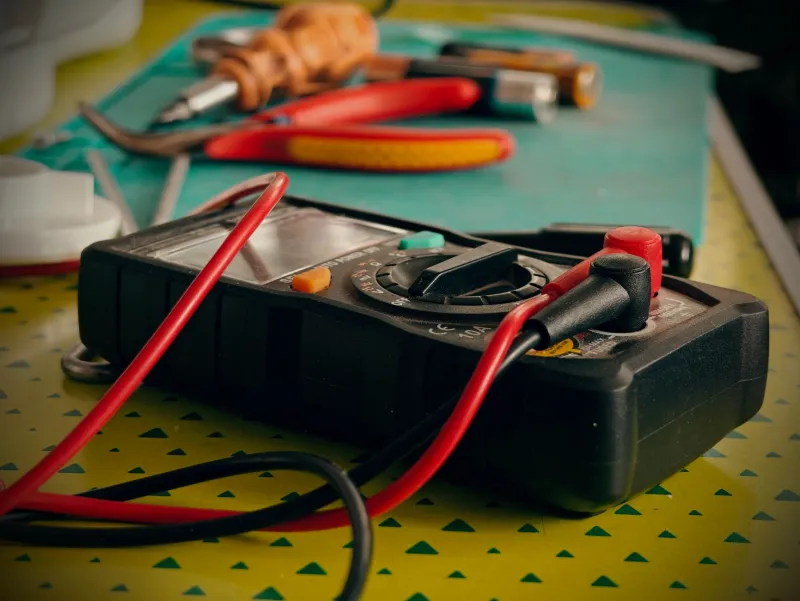
The practical test is voltage at the output side of the relay during the preheat window. Back-probe the connector with a meter, or use a clamp meter on the feed wire if you have one. You want to see battery voltage appear at the plugs for the preheat period, then drop away. If the relay clicks but no voltage arrives, the contacts are suspect. If voltage arrives but looks low, check the fuse, the feed wire and the earth side of the circuit. A relay that is warm to the touch after a cold start is not proof of anything.
Test at the Plugs, Not Just at the Box
Once you know the relay is switching, move to the plugs themselves. Unplug one connector at a time and check for voltage on the feed side during preheat. Then check resistance across the plug. Glow plugs have very low cold resistance, so a cheap multimeter and dirty probes can lie to you. Zero the meter on the leads, test a known-good plug if you have one, and compare all cylinders. A plug that reads open circuit is dead. A plug that reads very different from its neighbours deserves a second look.
A current clamp is better. Each plug should draw a similar current during the first few seconds. If one draws nothing, that cylinder is not getting heat. If all draw nothing, go back to the relay, fuse and control signal. If one draws much more than the rest, it may be failing internally.
Do not forget the earth path. Glow plugs earth through the cylinder head on many engines, and a poor engine earth can affect the whole circuit. A voltage drop test from the engine block to the battery negative while cranking will tell you more than a visual inspection of a braided strap.
Match the Plug to the Engine, Not the Registration
UK number plates are a starting point, not a parts number. Glow plugs vary by engine code, voltage, thread length and control strategy. Some later diesels use a different plug voltage and a pressure sensor built into the plug. Fitting the wrong type can cause poor starting, fault codes or worse.
Use the engine code from the logbook or the engine stamp, then cross-check the OEM number. Look at the plug length and connector shape. If the listing only says “fits all 2.0 diesels”, keep looking. A reputable factor will ask for the engine code, and so should you.
When One Bad Plug Justifies a Set
If one plug is open circuit and the others are original with high mileage, replacing the set is often sensible. The labour to reach the plugs is the same, and the remaining plugs are on borrowed time. The same goes for engines where the inlet manifold or common rail has to come off: doing one plug now and another next month is false economy.
But if the plugs were replaced recently, or the fault is clearly a relay or wiring issue, do not replace a set to solve a circuit problem. A single failed plug on an easy-access engine can be replaced on its own. The decision should be based on access, age and test results, not on the price of a boxed set alone.
The Ten-Second Summary
Cold-start diagnosis is a sequence: battery, codes, relay, fuse, voltage at the plugs, plug resistance or current, and earth integrity. Only then do you buy parts. The first ten seconds of a cold start tell you whether the engine is getting heat, whether the starter is healthy and whether the ECU is being told the truth about temperature. Listen, measure, then order. Your diesel will thank you, and so will your card.